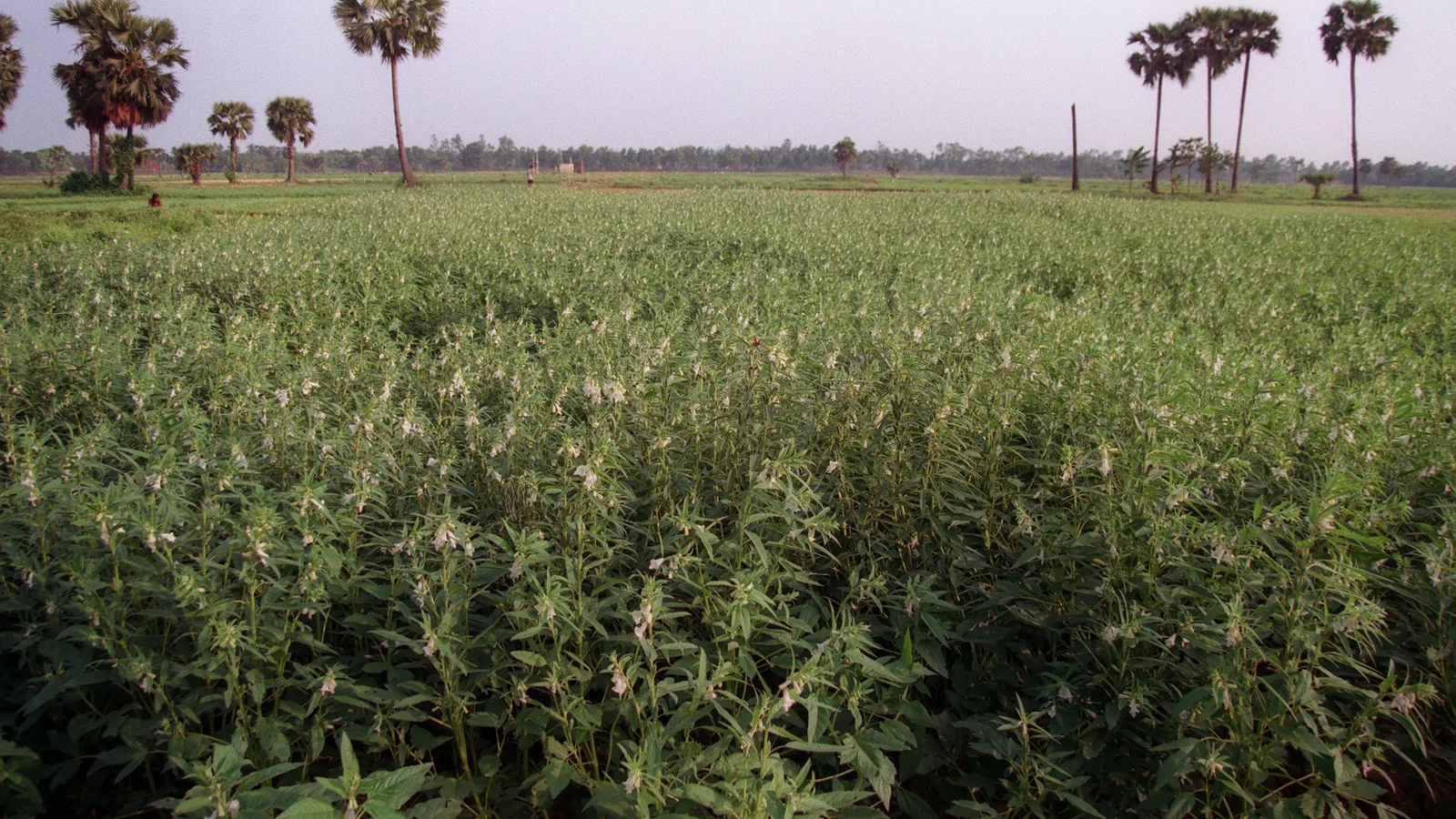
The pots are stacked under U Zaw Lin’s house in Kan Gyi, a village in Magway Region where the sesame season is decided by two rains: one in late May, one in early July. If the second rain fails, the crop fails. He has been farming the same twelve acres for thirty-one years, and for the last nine he has also been keeping seed.
“Everyone keeps seed,” he says. “The difference is keeping it properly.”
Eleven lines, eleven pots
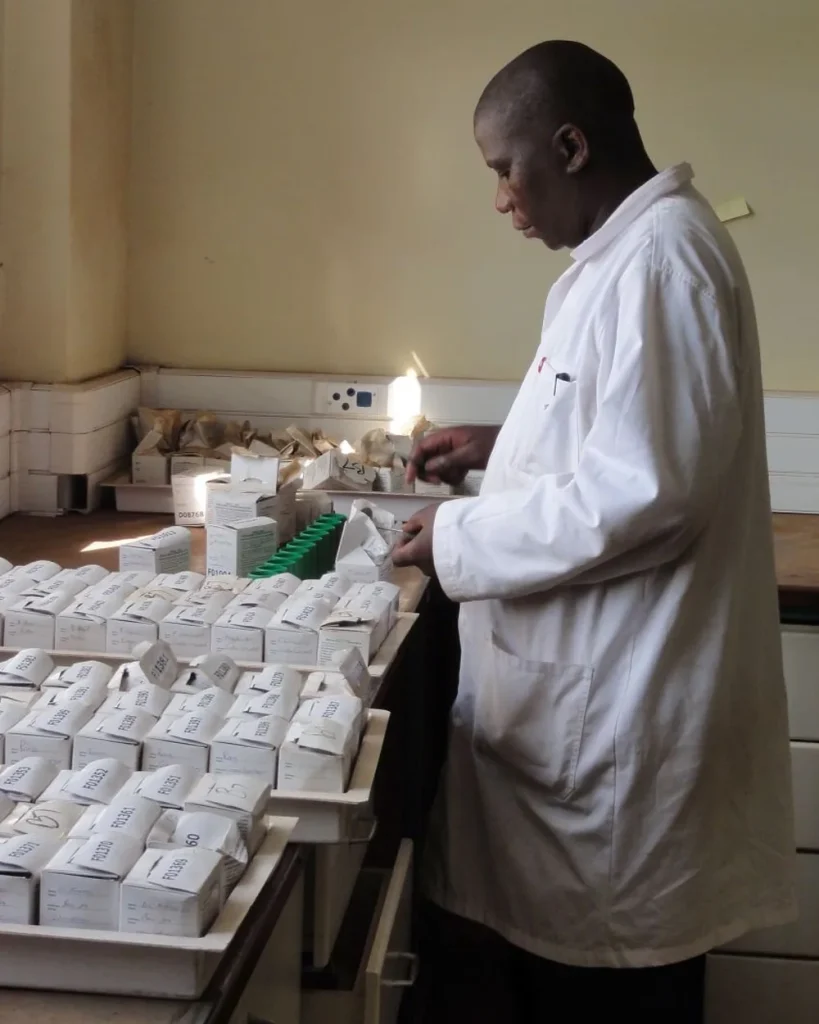
U Zaw Lin keeps eleven sesame lines, each in a labelled clay pot with a handful of burnt rice husk at the bottom. The labels are written in Myanmar script on strips of cement bag, and they record the year, the village the seed came from, and one characteristic — early, tall, thin-hulled, or “survives the dry”.
Two of the lines matter most. One is a black-seeded type he collected from his uncle’s farm in 2017, which matures about ten days earlier than the local check. The other is a white-seeded line from a village near Pakokku that holds its capsules better in wind. Neither is a formal variety. Both are populations that have been selected, year after year, for the conditions of this particular village.
How he selects
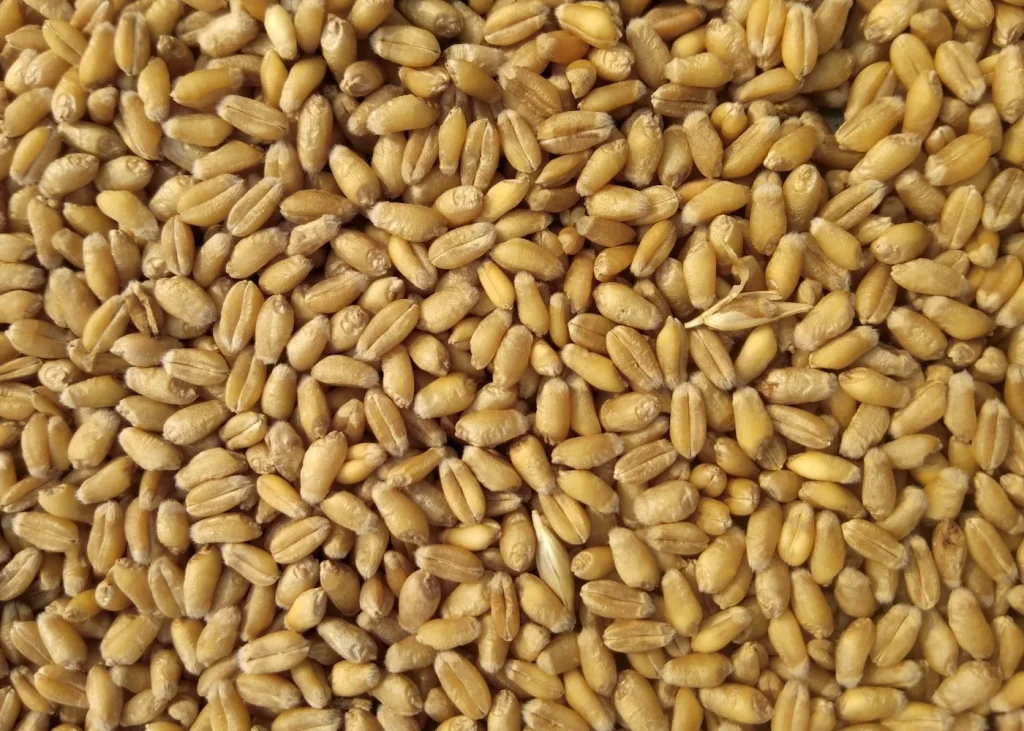
His method is simple and consistent. Every season, before harvest, he walks the field and marks twenty plants that meet three criteria: they have filled capsules low on the stem, they have not lodged, and they are still green when the surrounding plants have begun to dry. He harvests those twenty plants separately, threshes them by hand, and stores the seed in a cloth bag with ash and a dried chili.
The next season, those twenty plants’ seed goes into a small multiplication plot, not the main field. Only after it has performed well for two seasons does it enter the main crop. “If I put new seed straight into the field and it fails, I have lost a season,” he says. “In the small plot, I have lost a corner.”
The arithmetic
He calculates the cost of keeping seed in the same way he calculates everything: in baskets of sesame. A cloth bag of 5 kg costs about the same as 1.5 baskets of seed at harvest prices. The ash and chili cost nothing. The multiplication plot takes a corner of the field — perhaps 2 per cent of the area — and yields enough seed for the following year plus a surplus.
The surplus is the point. He gives it to nine neighbours, on an informal arrangement: they return the same quantity after their harvest if the season allows, and nothing if it does not. In nine years, he estimates he has given away about 40 kg and received back about 25 kg. The difference is the cost of the arrangement, and he considers it cheap.
“If my neighbour’s field fails, my field still has pests coming from it,” he says. “So his seed is my business.”
What the seed bank has changed
Before he began selecting, U Zaw Lin bought seed from the market every second or third year. The quality was variable, and in two seasons the germination was poor enough that he had to replant. Since 2019 he has not bought sesame seed.
More importantly, he has something to compare. Because he keeps the same lines across seasons, he can see which ones respond to early rain and which to late. In 2024, when the second rain came three weeks late, the early line yielded 40 per cent more than the local check. In 2025, with a more even season, the difference was 8 per cent. That is the kind of information that a bought seed bag cannot provide.
The limits
He is clear that this is not a substitute for formal plant breeding. His lines have not been tested for disease resistance, and he has no way to check whether they carry a seed-borne pathogen. He loses about one pot in three years to mould or insects. He also knows that his selection is based on observation, not measurement, and that his memory of past seasons is not a dataset.
That is where our field team has been useful. Since 2024 we have helped him record germination rates and yield by line, and we have sent two samples for seed health testing. Both came back clean, which is a start rather than a guarantee. We are now doing the same with four other households in Kan Gyi and two in Nyaung-U.
Why it matters beyond one village
Myanmar’s sesame sector depends on farmer-saved seed more than the official statistics suggest. When that seed is kept well, it is a national asset. When it is kept badly, the loss is invisible until a bad season exposes it.
U Zaw Lin is not a seed company and does not want to be one. He is a farmer who has made a small, disciplined investment in the one input he can control. The eleven pots under his house are worth more than the rest of the harvest, because they are the part he can carry into next year.
အိုးများကို မကွေးတိုင်းရှိ ကျေးရွာတစ်ရွာဖြစ်သော ကံကြီးတွင် ဦးဇော်လင်း၏ အိမ်အောက်၌ စီထားသည်။ ထိုရွာတွင် နှမ်းရာသီကို မိုးနှစ်ကြိမ်က ဆုံးဖြတ်သည် — မေလနှောင်းပိုင်း တစ်ကြိမ်၊ ဇူလိုင်အစ တစ်ကြိမ်။ ဒုတိယမိုး မရွာပါက သီးနှံ ပျက်သည်။ သူသည် တူညီသော ဧက ဆယ့်နှစ်ဧကကို သုံးဆယ့်တစ်နှစ် စိုက်ပျိုးခဲ့ပြီး လွန်ခဲ့သော ကိုးနှစ်ကတည်းက မျိုးစေ့ကိုလည်း သိမ်းထားသည်။
“လူတိုင်း မျိုးစေ့ သိမ်းတယ်” ဟု သူပြောသည်။ “ကွာခြားတာက မှန်ကန်စွာ သိမ်းခြင်း ဖြစ်တယ်။”
မျိုးလိုင်း ဆယ့်တစ်ခု၊ အိုး ဆယ့်တစ်လုံး
ဦးဇော်လင်းသည် နှမ်းမျိုးလိုင်း ဆယ့်တစ်ခုကို အောက်ခြေတွင် မီးရှို့ထားသော စပါးခွံ တစ်ဆုပ်စီထည့်ထားသည့် အမည်တပ်ထားသော မြေအိုးတစ်လုံးစီတွင် သိမ်းထားသည်။ အမည်တပ်များကို ဘိလပ်မြေအိတ် အကွင်းစင်းများပေါ်တွင် မြန်မာစာဖြင့် ရေးထားပြီး ခုနှစ်၊ မျိုးစေ့ ရရှိခဲ့သော ကျေးရွာနှင့် လက္ခဏာတစ်ခု — စောသည်၊ အမြင့်ရှိသည်၊ အခွံပါးသည် သို့မဟုတ် “ခြောက်သွေ့မှုကို ခံနိုင်သည်” ကို မှတ်တမ်းတင်ထားသည်။
လိုင်း နှစ်ခုက အရေးအကြီးဆုံး ဖြစ်သည်။ တစ်ခုမှာ ၂၀၁၇ ခုနှစ်တွင် ဦးလေး၏ ခြံမှ စုဆောင်းခဲ့သော အစေ့နက်မျိုးဖြစ်ပြီး ဒေသစံနှုန်းထက် ဆယ်ရက်ခန့် စောစွာ ရင့်မှည့်သည်။ ကျန်တစ်ခုမှာ ပခုက္ကူအနီး ကျေးရွာမှ အစေ့ဖြူမျိုးဖြစ်ပြီး လေထဲတွင် အသီးတောင့်များကို ပိုကောင်းစွာ ထိန်းထားနိုင်သည်။ နှစ်မျိုးစလုံးသည် တရားဝင် မျိုးမဟုတ်ပါ။ ဤကျေးရွာ၏ အခြေအနေများအတွက် နှစ်စဉ် ရွေးချယ်ခံခဲ့ရသော လူဦးရေအုပ်စုများ ဖြစ်သည်။
သူ ရွေးချယ်ပုံ
သူ၏ နည်းလမ်းသည် ရိုးရှင်းပြီး တသမတ်တည်း ဖြစ်သည်။ ရာသီတိုင်း မရိတ်မီ ကွက်ထဲလမ်းလျှောက်ပြီး စံနှုန်းသုံးချက် ပြည့်မီသော အပင် နှစ်ဆယ်ကို အမှတ်အသားပြုသည် — ပင်စည်အောက်ပိုင်းတွင် အသီးတောင့်များ ပြည့်ဝခြင်း၊ လဲကျခြင်း မရှိခြင်းနှင့် ပတ်ဝန်းကျင်အပင်များ စတင်ခြောက်သွားချိန်တွင် စိမ်းနေဆဲဖြစ်ခြင်း။ ထို အပင် နှစ်ဆယ်ကို သီးခြား ရိတ်သိမ်းပြီး လက်ဖြင့် နယ်ကာ ပြာနှင့် ငရုတ်သီးခြောက်တို့နှင့်အတူ အဝတ်အိတ်ထဲတွင် သိမ်းသည်။
နောက်ရာသီတွင် ထို အပင် နှစ်ဆယ်၏ မျိုးစေ့ကို ပင်မကွက်ထဲမဟုတ်ဘဲ မျိုးပွားကွက်ငယ်ထဲသို့ ထည့်သည်။ ရာသီနှစ်ခုအထိ ကောင်းစွာ လုပ်ဆောင်ပြီးမှသာ ပင်မသီးနှံထဲသို့ ဝင်သည်။ “မျိုးစေ့အသစ်ကို ကွက်ထဲ တိုက်ရိုက်ထည့်ပြီး မအောင်မြင်ရင် ရာသီတစ်ခု ဆုံးရှုံးတယ်” ဟု သူပြောသည်။ “ကွက်ငယ်ထဲမှာဆိုရင် ထောင့်တစ်ခုပဲ ဆုံးရှုံးတယ်။”
တွက်ချက်မှု
သူသည် မျိုးစေ့ထိန်းသိမ်းမှု ကုန်ကျစရိတ်ကို အခြားအရာအားလုံးကို တွက်သလိုပင် နှမ်းတောင်းဖြင့် တွက်သည်။ ၅ ကီလိုဂရမ် အဝတ်အိတ်တစ်လုံးသည် ရိတ်သိမ်းစျေးဖြင့် နှမ်းတောင်း ၁.၅ တောင်းနှင့် ညီသည်။ ပြာနှင့် ငရုတ်သီးက ဘာမှ မကုန်ပါ။ မျိုးပွားကွက်သည် ကွက်၏ ထောင့်တစ်ခု — ဧရိယာ၏ ၂ ရာခိုင်နှုန်းခန့် — ယူပြီး နောက်နှစ်အတွက် လုံလောက်သော မျိုးစေ့နှင့် ပိုလျှံမှုကို ပေးသည်။
ပိုလျှံမှုသည် အဓိပ္ပာယ်ရှိသည့် အချက် ဖြစ်သည်။ သူက ၎င်းကို အိမ်နီးချင်း ကိုးဦးအား တရားဝင်မဟုတ်သော သဘောတူညီမှုဖြင့် ပေးသည် — ရာသီ အဆင်ပြေပါက ရိတ်သိမ်းပြီးနောက် အလားတူ ပမာဏ ပြန်ပေးရမည်၊ မပြေပါက ဘာမှ ပြန်ပေးရန် မလိုပါ။ ကိုးနှစ်အတွင်း သူသည် ၄၀ ကီလိုဂရမ်ခန့် ပေးခဲ့ပြီး ၂၅ ကီလိုဂရမ်ခန့် ပြန်ရခဲ့သည်ဟု ခန့်မှန်းသည်။ ကွာဟမှုသည် ဤအစီအစဉ်၏ ကုန်ကျစရိတ်ဖြစ်ပြီး သူက ၎င်းကို သက်သာသည်ဟု ယူဆသည်။
“ကျွန်တော့် အိမ်နီးချင်း ကွက် ပျက်ရင် ကျွန်တော့် ကွက်ကို ပိုးမွှားတွေ ဆက်လာနေတုန်းပဲ” ဟု သူပြောသည်။ “ဒါကြောင့် သူ့မျိုးစေ့က ကျွန်တော့် ကိစ္စပဲ။”
မျိုးစေ့ဘဏ်က ပြောင်းလဲစေခဲ့သည်များ
မျိုးရွေးချယ်မှု မစမီ ဦးဇော်လင်းသည် နှစ်နှစ် သို့မဟုတ် သုံးနှစ်တစ်ကြိမ် စျေးမှ မျိုးစေ့ ဝယ်ခဲ့သည်။ အရည်အသွေး မတည်ငြိမ်ခဲ့သလို ရာသီနှစ်ခုတွင် အပင်ပေါက်နှုန်း ညံ့သဖြင့် ပြန်စိုက်ခဲ့ရသည်။ ၂၀၁၉ ခုနှစ်ကတည်းက နှမ်းမျိုးစေ့ မဝယ်တော့ပါ။
ပို၍ အရေးကြီးသည်မှာ သူ့တွင် နှိုင်းယှဉ်ရန် အရာတစ်ခု ရှိလာခြင်း ဖြစ်သည်။ ရာသီများတစ်လျှောက် တူညီသော မျိုးလိုင်းများကို သိမ်းထားသောကြောင့် မည်သည့်မျိုးက မိုးစောခြင်းကို တုံ့ပြန်ပြီး မည်သည့်မျိုးက မိုးနောက်ကျခြင်းကို တုံ့ပြန်သည်ကို မြင်နိုင်သည်။ ၂၀၂၄ ခုနှစ်တွင် ဒုတိယမိုး သုံးပတ် နောက်ကျခဲ့သောအခါ စောသောမျိုးလိုင်းသည် ဒေသစံနှုန်းထက် ၄၀ ရာခိုင်နှုန်း ပိုထွက်ခဲ့သည်။ ၂၀၂၅ ခုနှစ်တွင် ရာသီ ပိုမိုညီညာခဲ့ပြီး ကွာဟမှုမှာ ၈ ရာခိုင်နှုန်း ဖြစ်ခဲ့သည်။ ၎င်းသည် ဝယ်ယူထားသော မျိုးစေ့အိတ်က မပေးနိုင်သော အချက်အလက် အမျိုးအစား ဖြစ်သည်။
ကန့်သတ်ချက်များ
၎င်းသည် တရားဝင် မျိုးမျိုးပွားခြင်းကို အစားထိုးခြင်း မဟုတ်ကြောင်း သူ ရှင်းရှင်းလင်းလင်း သိသည်။ သူ၏ မျိုးလိုင်းများကို ရောဂါခံနိုင်ရည်အတွက် စမ်းသပ်ထားခြင်း မရှိသလို မျိုးစေ့မှတစ်ဆင့် ကူးစက်သော ရောဂါပိုး ပါ/မပါ စစ်ဆေးရန် နည်းလမ်းလည်း မရှိပါ။ သုံးနှစ်တစ်ကြိမ်ခန့် အိုးတစ်လုံးကို မှိုဒါမှမဟုတ် ပိုးမွှားကြောင့် ဆုံးရှုံးသည်။ သူ၏ ရွေးချယ်မှုသည် တိုင်းတာမှုမဟုတ်ဘဲ လေ့လာကြည့်ရှုမှုအပေါ် အခြေခံပြီး ယခင်ရာသီများ၏ မှတ်ဉာဏ်သည် အချက်အလက်အစု မဟုတ်ကြောင်းကိုလည်း သူ သိသည်။
ထိုနေရာတွင် ကျွန်ုပ်တို့၏ ကွင်းဆင်းအဖွဲ့က အသုံးဝင်ခဲ့သည်။ ၂၀၂၄ ခုနှစ်ကတည်းက သူ့အား မျိုးလိုင်းအလိုက် အပင်ပေါက်နှုန်းနှင့် အထွက်နှုန်း မှတ်တမ်းတင်ရန် ကူညီခဲ့ပြီး နမူနာ နှစ်ခုကို မျိုးစေ့ကျန်းမာရေး စစ်ဆေးမှုသို့ ပို့ခဲ့သည်။ နှစ်ခုစလုံး ရောဂါကင်းသည်ဟု ပြန်လာခဲ့သည်။ ၎င်းသည် အာမခံချက်မဟုတ်ဘဲ အစတစ်ခု ဖြစ်သည်။ ယခု ကံကြီးရှိ နောက်ထပ် အိမ်ထောင်စု လေးခုနှင့် ညောင်ဦးရှိ နှစ်ခုတို့နှင့်အတူ အလားတူ လုပ်ဆောင်နေသည်။
ကျေးရွာတစ်ရွာထက် ကျော်လွန်၍ အရေးပါရခြင်း
မြန်မာ့နှမ်းကဏ္ဍသည် တရားဝင် စာရင်းအင်းများ ညွှန်ပြသည်ထက် တောင်သူသိမ်းဆည်းမျိုးစေ့အပေါ် ပိုမိုမှီခိုသည်။ ထိုမျိုးစေ့ကို ကောင်းစွာ သိမ်းထားပါက ၎င်းသည် အမျိုးသားအရင်းအမြစ် ဖြစ်သည်။ ညံ့ဖျင်းစွာ သိမ်းထားပါက ဆိုးသောရာသီက ဖော်ထုတ်သည်အထိ ဆုံးရှုံးမှုကို မမြင်နိုင်ပါ။
ဦးဇော်လင်းသည် မျိုးစေ့ကုမ္ပဏီ မဟုတ်သလို ဖြစ်လိုခြင်းလည်း မရှိပါ။ သူသည် မိမိ ထိန်းချုပ်နိုင်သော တစ်ခုတည်းသော သွင်းအားစုအပေါ် သေးငယ်ပြီး စည်းကမ်းရှိသော ရင်းနှီးမြှုပ်နှံမှု ပြုလုပ်ထားသော တောင်သူတစ်ဦး ဖြစ်သည်။ သူ့အိမ်အောက်ရှိ အိုး ဆယ့်တစ်လုံးသည် ကျန်ရိတ်သိမ်းမှုထက် တန်ဖိုးရှိသည်။ အဘယ်ကြောင့်ဆိုသော် ၎င်းတို့သည် နောက်နှစ်သို့ သယ်ဆောင်နိုင်သော အပိုင်း ဖြစ်သောကြောင့် ဖြစ်သည်။