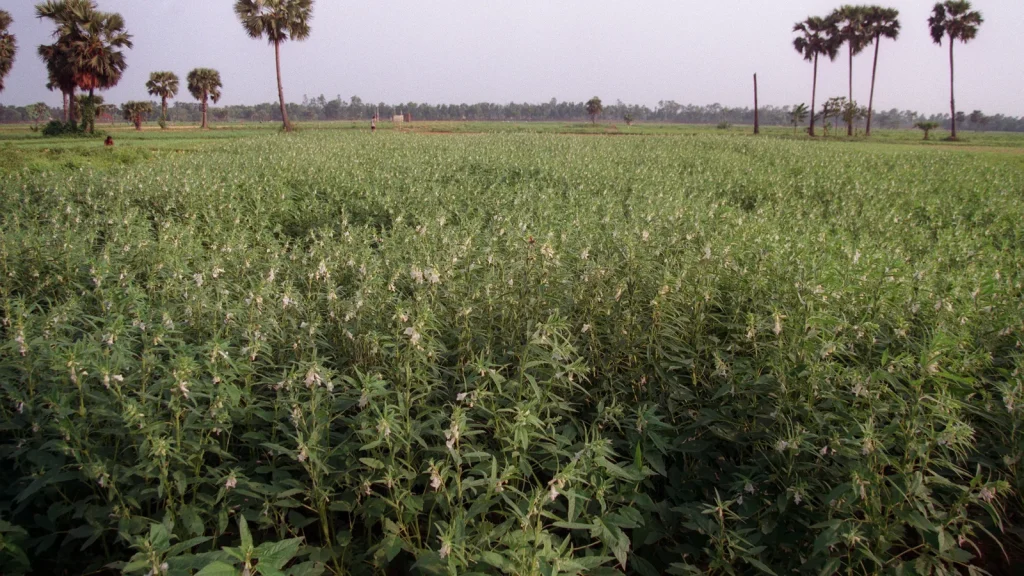
The Ywar Thit Agricultural Co-operative sits at the end of a dusty lane about eleven kilometres from Kyaukpadaung. It has 64 members, a rice mill that runs for six weeks a year, and — since March 2026 — a soil laboratory in what used to be the mill’s seed store.
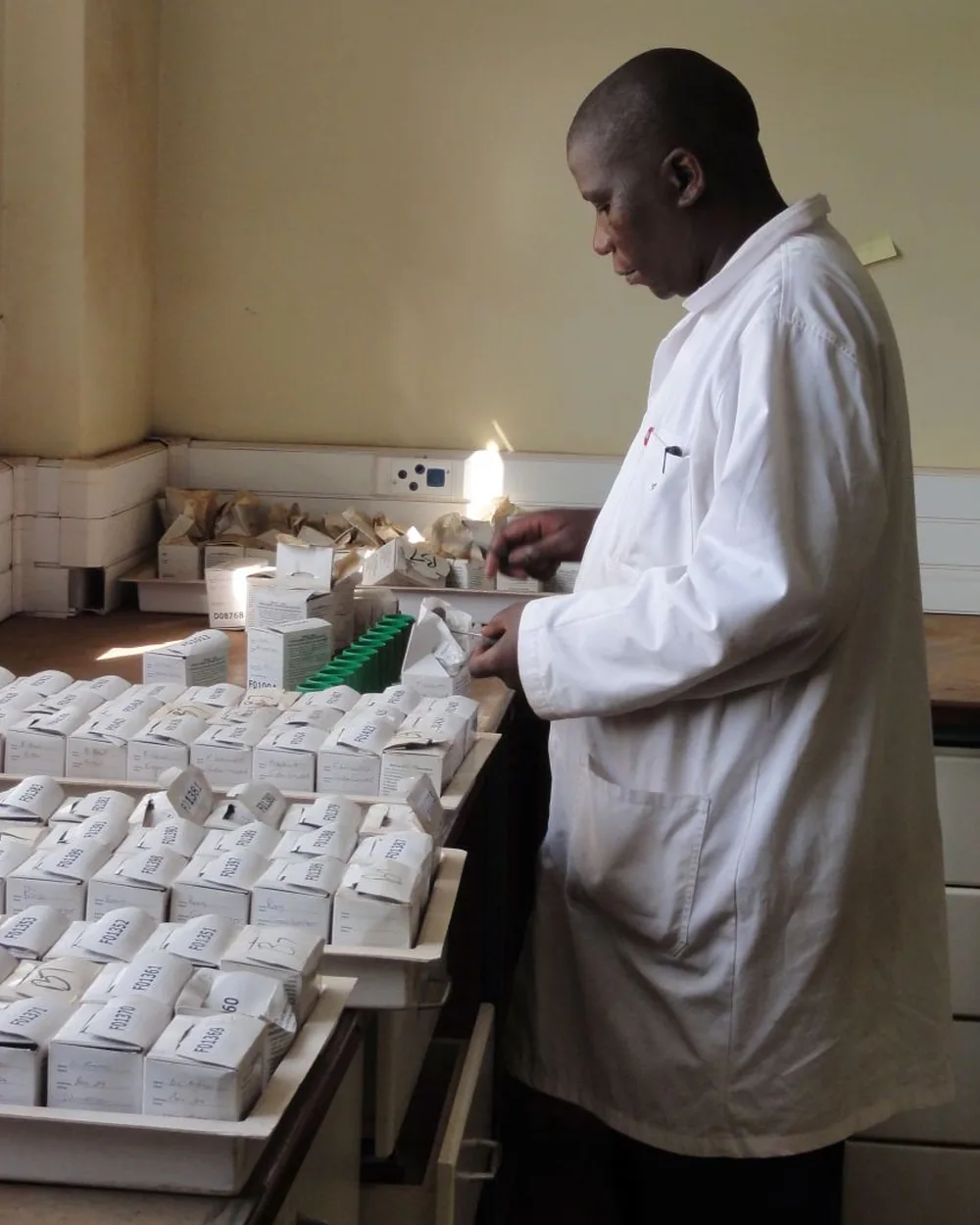
The laboratory is not impressive to look at. There is a bench, a sink, a pH meter, an electrical conductivity meter, a balance, a set of sieves, and a cupboard of reagents. The total cost was less than a used motorcycle. What makes it work is not the equipment. It is that two members of the co-operative know how to use it, and that the results belong to the members rather than to an office in Yangon.
Why they built it
U Tin Maung, the co-operative’s secretary, explains the problem plainly. “We were sending samples to Mandalay. It took three weeks in the dry season and five in the monsoon. By the time the result came, we had already bought the fertiliser or missed the planting window. The paper was correct. It was just too late to be useful.”
The co-operative also suspected that the results were being read wrongly. A single pH number for a two-acre field told them nothing about where to spread the lime. Members were applying the whole recommendation to the whole field and seeing no response.
What they did
The co-operative set aside MMK 4.2 million from its mill surplus — a decision taken at a general meeting with 51 members present. They bought basic equipment, refurbished the seed store, and sent two members, Daw Mya Mya Sein and Ko Aung Ko, to a six-week training course with our soil team.
The training was deliberately narrow. The two technicians learned to measure pH, electrical conductivity, organic matter by loss on ignition, and available phosphorus by a simple colorimetric method. They learned to calibrate the meter every morning, to keep a logbook, and to recognise when a sample is beyond their capacity and should be sent to a reference laboratory.
They did not learn to make fertiliser recommendations. That was a deliberate limit. The laboratory produces numbers; the recommendations are made in a monthly meeting with our agronomist, where the numbers are read alongside the farmer’s own records.
The first season
Between March and August 2026, the laboratory processed 218 samples from 47 member households. The average turnaround was four days. The cost per sample to the co-operative is modest, and a nominal member fee covers reagents and replacement parts.
The most useful result was not a number. It was a map. For the first time, members could see that their fields were not uniform: the low patch by the drain, the high eroded corner, the old compost site. Several farmers redrew their lime plans after seeing five points instead of one average.
Daw Mya Mya Sein is careful about what the laboratory can and cannot claim. “We are not a university. We measure four things. If a farmer needs to know about micronutrients, we send the sample away. But four things, measured in four days, in the village, is better than twenty things measured in five weeks.”
What it changed in the co-operative
The laboratory has become a meeting place. Members come to collect results and stay to argue about them. The co-operative now keeps a shared record of what was applied and what happened, which is the beginning of something it never had before: institutional memory.
It has also changed the co-operative’s relationship with input suppliers. When a supplier recommends a product, the co-operative can ask for the soil test that justifies it. Twice this season, the answer was no test at all.
What other co-operatives should know
Three lessons, offered by U Tin Maung rather than by us:
- Train two people, not one. “If one leaves, the laboratory closes.”
- Decide the limits before you buy the equipment. “We wrote down what we would not do. That has kept us out of trouble.”
- Keep the logbook in the local language. “The results are for members. If they cannot read them, we have wasted the money.”
Our soil team now uses Ywar Thit as a reference site for other co-operatives considering the same step. There are 28 co-operatives in our network. Four have asked to visit. We suspect that by 2028 there will be more laboratories like this one than there are agronomists to staff them — which is, on the whole, a good problem.
ရွာသစ် စိုက်ပျိုးရေး သမဝါယမသည် ကျောက်ပန်းတောင်းမှ ဆယ့်တစ် ကီလိုမီတာခန့် အကွာ ဖုန်ထူသော လမ်းတစ်ခု၏ အဆုံးတွင် တည်ရှိသည်။ အဖွဲ့ဝင် ၆၄ ဦး၊ တစ်နှစ်လျှင် ခြောက်ပတ်သာ လည်ပတ်သော ဆန်စက် တစ်ခုနှင့် — ၂၀၂၆ မတ်လမှစ၍ — ယခင်က စက်မှ မျိုးစေ့သိုလှောင်ခန်း ဖြစ်ခဲ့သည့်နေရာတွင် မြေဆီလွှာ ဓာတ်ခွဲခန်း တစ်ခု ရှိသည်။
ဓာတ်ခွဲခန်းကို ကြည့်လျှင် အထင်ကြီးစရာ မရှိပါ။ စားပွဲတစ်ခု၊ ရေစုတ်တစ်ခု၊ pH မီတာ၊ လျှပ်စစ်စီးကူးမှု မီတာ၊ ချိန်ခွက်၊ ဆန်ခါအစုံနှင့် ဓာတုပစ္စည်း ဗီရိုတစ်ခု ရှိသည်။ စုစုပေါင်း ကုန်ကျစရိတ်သည် ဒုတိယလက် မော်တော်ဆိုင်ကယ်တစ်စီးထက် သက်သာသည်။ ၎င်းကို အလုပ်ဖြစ်စေသည်မှာ ကိရိယာများ မဟုတ်ပါ။ သမဝါယမ အဖွဲ့ဝင် နှစ်ဦးက ၎င်းကို အသုံးပြုနည်း သိထားခြင်းနှင့် ရလဒ်များသည် ရန်ကုန်ရှိ ရုံးတစ်ခုထံမဟုတ်ဘဲ အဖွဲ့ဝင်များထံ ပိုင်ဆိုင်ခြင်း ဖြစ်သည်။
ဘာကြောင့် တည်ဆောက်ခဲ့သည်
သမဝါယမ၏ အတွင်းရေးမှူး ဦးတင်မောင်က ပြဿနာကို ရှင်းရှင်းလင်းလင်း ပြောသည်။ “ကျွန်တော်တို့ နမူနာတွေကို မန္တလေးကို ပို့နေခဲ့တယ်။ ခြောက်သွေ့ရာသီမှာ သုံးပတ်၊ မုတ်သုံမှာ ငါးပတ် ကြာတယ်။ ရလဒ် ရောက်လာချိန်မှာ မြေဩဇာ ဝယ်ပြီးသား ဒါမှမဟုတ် စိုက်ချိန် လွန်သွားပြီ။ စာရွက်က မှန်တယ်။ ဒါပေမယ့် အသုံးချဖို့ နောက်ကျလွန်းတယ်။”
ရလဒ်များကို မှားဖတ်နေသည်ဟုလည်း သမဝါယမက သံသယရှိသည်။ ဧက နှစ်ဧကရှိ ကွက်အတွက် pH ကိန်းတစ်ခုတည်းက ထုံးကို ဘယ်နေရာ ကြဲရမည်ကို ဘာမှ မပြောပါ။ အဖွဲ့ဝင်များသည် အကြံပြုချက်တစ်ခုလုံးကို ကွက်တစ်ခုလုံးတွင် ကျွေးပြီး တုံ့ပြန်မှု မမြင်ခဲ့ရပါ။
သူတို့ လုပ်ခဲ့သည်များ
သမဝါယမသည် ဆန်စက် အမြတ်ငွေမှ ကျပ် ၄.၂ သန်းကို ဖယ်ထားခဲ့သည်။ အဖွဲ့ဝင် ၅၁ ဦး တက်ရောက်သော အထွေထွေအစည်းအဝေးတွင် ဆုံးဖြတ်ခဲ့ခြင်း ဖြစ်သည်။ အခြေခံ ကိရိယာများ ဝယ်ယူပြီး မျိုးစေ့သိုလှောင်ခန်းကို ပြုပြင်ကာ အဖွဲ့ဝင် နှစ်ဦး ဖြစ်သော ဒေါ်မြမြစိန်နှင့် ကိုအောင်ကိုတို့ကို ကျွန်ုပ်တို့၏ မြေဆီလွှာအဖွဲ့နှင့်အတူ ခြောက်ပတ် သင်တန်းသို့ ပို့ခဲ့သည်။
သင်တန်းကို တမင်တကာ ကျဉ်းမြောင်းစွာ ထားခဲ့သည်။ နည်းပညာရှင် နှစ်ဦးသည် pH၊ လျှပ်စစ်စီးကူးမှု၊ မီးရှို့ခြင်းဖြင့် အော်ဂဲနစ်ပစ္စည်း တိုင်းတာခြင်းနှင့် ရိုးရှင်းသော အရောင်တိုင်း နည်းလမ်းဖြင့် ရရှိနိုင်သော ဖော့စဖရပ် တိုင်းတာခြင်းတို့ကို သင်ယူခဲ့သည်။ မီတာကို မနက်တိုင်း ချိန်ညှိခြင်း၊ မှတ်တမ်းစာအုပ် ထိန်းသိမ်းခြင်းနှင့် နမူနာတစ်ခုသည် မိမိတို့ စွမ်းရည်ထက် ကျော်လွန်ပါက စံဓာတ်ခွဲခန်းသို့ ပို့သင့်သည်ကို ခွဲခြားသိခြင်းတို့ကိုလည်း သင်ယူခဲ့သည်။
မြေဩဇာ အကြံပြုချက်များ ပြုလုပ်ခြင်းကို မသင်ခဲ့ပါ။ ၎င်းသည် တမင်တကာ ချမှတ်ထားသော ကန့်သတ်ချက် ဖြစ်သည်။ ဓာတ်ခွဲခန်းက ကိန်းဂဏန်းများ ထုတ်ပေးပြီး အကြံပြုချက်များကို ကျွန်ုပ်တို့၏ စိုက်ပျိုးရေးပညာရှင်နှင့် လစဉ်အစည်းအဝေးတွင် ပြုလုပ်သည်။ ထိုနေရာတွင် ကိန်းဂဏန်းများကို တောင်သူ၏ ကိုယ်ပိုင်မှတ်တမ်းများနှင့် တွဲဖတ်သည်။
ပထမရာသီ
၂၀၂၆ မတ်လမှ သြဂုတ်လအတွင်း ဓာတ်ခွဲခန်းသည် အဖွဲ့ဝင် အိမ်ထောင်စု ၄၇ ခုမှ နမူနာ ၂၁၈ ခုကို စစ်ဆေးခဲ့သည်။ ပျမ်းမျှ ရလဒ်ထုတ်ပေးချိန်မှာ လေးရက် ဖြစ်သည်။ သမဝါယမအတွက် နမူနာတစ်ခု၏ ကုန်ကျစရိတ်မှာ သင့်တင့်ပြီး အမည်ခံ အဖွဲ့ဝင်ကြေးက ဓာတုပစ္စည်းနှင့် အစားထိုး အစိတ်အပိုင်းများကို ဖုံးလွှမ်းသည်။
အသုံးဝင်ဆုံး ရလဒ်သည် ကိန်းဂဏန်းတစ်ခု မဟုတ်ခဲ့ပါ။ မြေပုံတစ်ခု ဖြစ်သည်။ ပထမဆုံးအကြိမ် အဖွဲ့ဝင်များသည် မိမိတို့၏ ကွက်များ ညီညာမနေသည်ကို မြင်နိုင်ခဲ့သည် — ရေမြောင်းဘေး နိမ့်သောနေရာ၊ မြင့်ပြီး တိုက်စားခံရသော ထောင့်၊ ကွန်ပိုစ့်ပုံဟောင်း နေရာ။ တောင်သူအများအပြားသည် ပျမ်းမျှတစ်ခုအစား ငါးနေရာကို မြင်ပြီးနောက် ထုံးကျွေးမည့် အစီအစဉ်ကို ပြန်ဆွဲခဲ့သည်။
ဒေါ်မြမြစိန်က ဓာတ်ခွဲခန်း လုပ်နိုင်သည့်နှင့် မလုပ်နိုင်သည့်အရာများကို ဂရုတစိုက် ပြောသည်။ “ကျွန်မတို့က တက္ကသိုလ် မဟုတ်ပါ။ လေးခုကို တိုင်းတာတယ်။ တောင်သူက သေးငယ်အာဟာရဓာတ်တွေ သိချင်ရင် နမူနာကို အပြင်ကို ပို့တယ်။ ဒါပေမယ့် လေးခုကို လေးရက်အတွင်း ရွာထဲမှာ တိုင်းတာတာက နှစ်ဆယ်ကို ငါးပတ်အတွင်း တိုင်းတာတာထက် ပိုကောင်းတယ်။”
သမဝါယမിൽ ပြောင်းလဲသွားသည်များ
ဓာတ်ခွဲခန်းသည် တွေ့ဆုံရာ နေရာ ဖြစ်လာသည်။ အဖွဲ့ဝင်များသည် ရလဒ်ယူရန် လာပြီး ၎င်းတို့အကြောင်း ဆွေးနွေးရန် ဆက်ထိုင်ကြသည်။ သမဝါယမသည် ယခု မည်သည့်အရာ ကျွေးခဲ့ပြီး မည်သို့ ဖြစ်ပျက်ခဲ့သည်ကို မျှဝေမှတ်တမ်း ထိန်းသိမ်းထားသည်။ ၎င်းသည် ယခင်က မရှိခဲ့သော အရာတစ်ခု၏ အစ ဖြစ်သည် — အဖွဲ့အစည်း၏ မှတ်ဉာဏ်။
သွင်းအားစု ရောင်းချသူများနှင့် သမဝါယမ၏ ဆက်ဆံရေးကိုလည်း ပြောင်းလဲစေသည်။ ရောင်းချသူက ထုတ်ကုန်တစ်ခု အကြံပြုလာပါက သမဝါယမက ၎င်းကို အကြောင်းပြသည့် မြေစစ်ဆေးမှု ရလဒ်ကို တောင်းနိုင်သည်။ ယခုရာသီတွင် နှစ်ကြိမ် အဖြေမှာ စစ်ဆေးမှု လုံးဝမရှိခြင်း ဖြစ်ခဲ့သည်။
အခြား သမဝါယမများ သိသင့်သည်များ
ကျွန်ုပ်တို့ မဟုတ်ဘဲ ဦးတင်မောင် ကိုယ်တိုင် ပေးသော သင်ခန်းစာ သုံးခု —
- တစ်ဦး မဟုတ်ဘဲ နှစ်ဦး လေ့ကျင့်ပါ။ “တစ်ဦး ထွက်သွားရင် ဓာတ်ခွဲခန်း ပိတ်ရတယ်။”
- ကိရိယာ မဝယ်မီ ကန့်သတ်ချက်များကို ဆုံးဖြတ်ပါ။ “ကျွန်တော်တို့ ဘာမလုပ်ဘူးဆိုတာကို ရေးထားတယ်။ အဲဒါက ဒုက္ခမရောက်စေခဲ့ဘူး။”
- မှတ်တမ်းစာအုပ်ကို ဒေသဘာသာစကားဖြင့် ထားပါ။ “ရလဒ်တွေက အဖွဲ့ဝင်တွေအတွက်။ သူတို့ မဖတ်နိုင်ရင် ငွေကုန်ပြီး အလကားဖြစ်သွားတယ်။”
ကျွန်ုပ်တို့၏ မြေဆီလွှာအဖွဲ့သည် ယခု ရွာသစ်ကို အလားတူခြေလှမ်း စဉ်းစားနေသော အခြား သမဝါယမများအတွက် ကိုးကားနေရာအဖြစ် အသုံးပြုသည်။ ကျွန်ုပ်တို့ကွန်ရက်တွင် သမဝါယမ ၂၈ ခု ရှိသည်။ လေးခုက လာရောက်ကြည့်ရှုရန် တောင်းဆိုပြီးဖြစ်သည်။ ၂၀၂၈ ခုနှစ်တွင် ဤကဲ့သို့ ဓာတ်ခွဲခန်းများသည် ၎င်းတို့ကို ထမ်းဆောင်ရန် စိုက်ပျိုးရေးပညာရှင်များထက် ပိုများလာလိမ့်မည်ဟု ကျွန်ုပ်တို့ ခန့်မှန်းသည် — ၎င်းသည် အလုံးစုံအားဖြင့် ကောင်းသော ပြဿနာတစ်ခု ဖြစ်သည်။